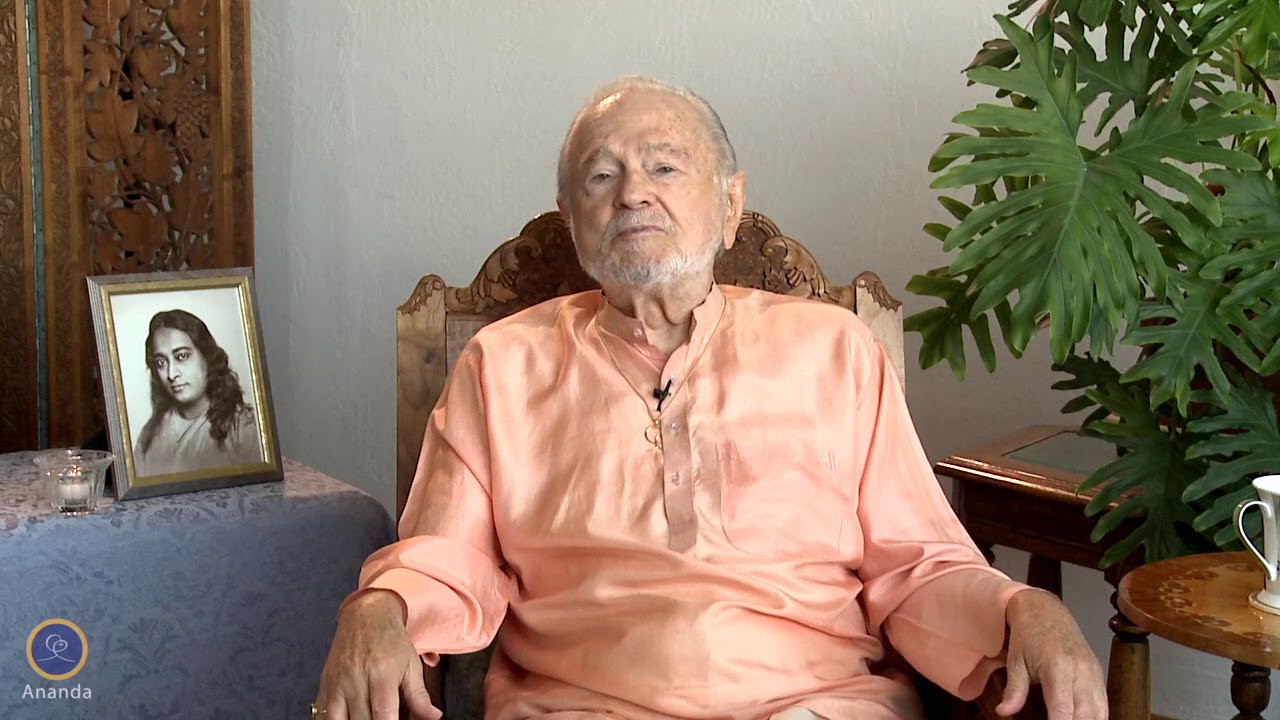
Why Yogananda Taught Both the Teachings of Christ and Krishna
Paramhansa Yogananda’s main purpose in teaching both the teachings of Christ and Krishna was to show that Truth is universal across all religions, but that Christianity and Hinduism have best preserved the tradition of sainthood. He saw Christianity as the purest of the Semitic traditions and Hinduism as the purest of the Vedantic, both clearly expressing the ultimate spiritual Truth—that we are all part of God’s consciousness and must strive to reunite with it.
He sought to restore meditation as an essential practice in religion, emphasizing that Jesus himself had lamented the loss of direct communion with God. Jesus’ message to Babaji in the Himalayas inspired a renewed mission to the West, reinforcing the importance of loving God wholeheartedly.
Yogananda also taught practical spirituality, showing that divine communion isn’t limited to meditation or church but extends to all aspects of life. He highlighted the Bhagavad Gita’s teaching that work can be a path to God when done selflessly, echoing Christ’s call to love and serve without attachment to outcomes.
