In this humorous story from The New Path, Swami Kriyananda, demonstrates how as a new student, Paramhansa Yogananda taught him the difference between seeking divine powers for their own sake, and desiring God’s love alone.
Boone told me in February of an experience he too had had after keeping his mind steadfastly on Master for two days. He was given a kind of ecstasy in which he was quite unable to feel his body, even while he moved about, performing his daily duties in the print shop. “I had to pray, finally, that I’d be able to feel my body again,” he said. “I was afraid I might harm it in the machinery.”
Well, I thought, that was for me! More eager for the experience itself, I’m afraid, than for humble attunement with my Guru, I kept my mind on Master one-pointedly. He was in Encinitas at the time. Two or three days later, he returned to Mt. Washington; I met him by the front porch as he arrived.
“What sort of mischief are you up to, Walter?” He smiled significantly.
“None, Sir.” Mischief? It didn’t seem like mischief to me.
“Are you sure you aren’t up to some kind of mischief?”
I began to understand what he meant, but was reluctant to accept his definition of what I’d been doing. As he was going indoors, he smiled lovingly, saying, “Goodbye, Walter.” Thinking the matter over, I had to admit to myself that, while my practice had been right, my intentions had been wrong.
“Don’t seek experiences in meditation,” Master told us. “The path to God is not a circus.”
Instead of seeking spiritual experiences, we should concentrate on going deeper and deeper into the inner silence. Everything then, will take care of itself, because our intentions will remain pure and loving; qualities that God will respond to most of all.
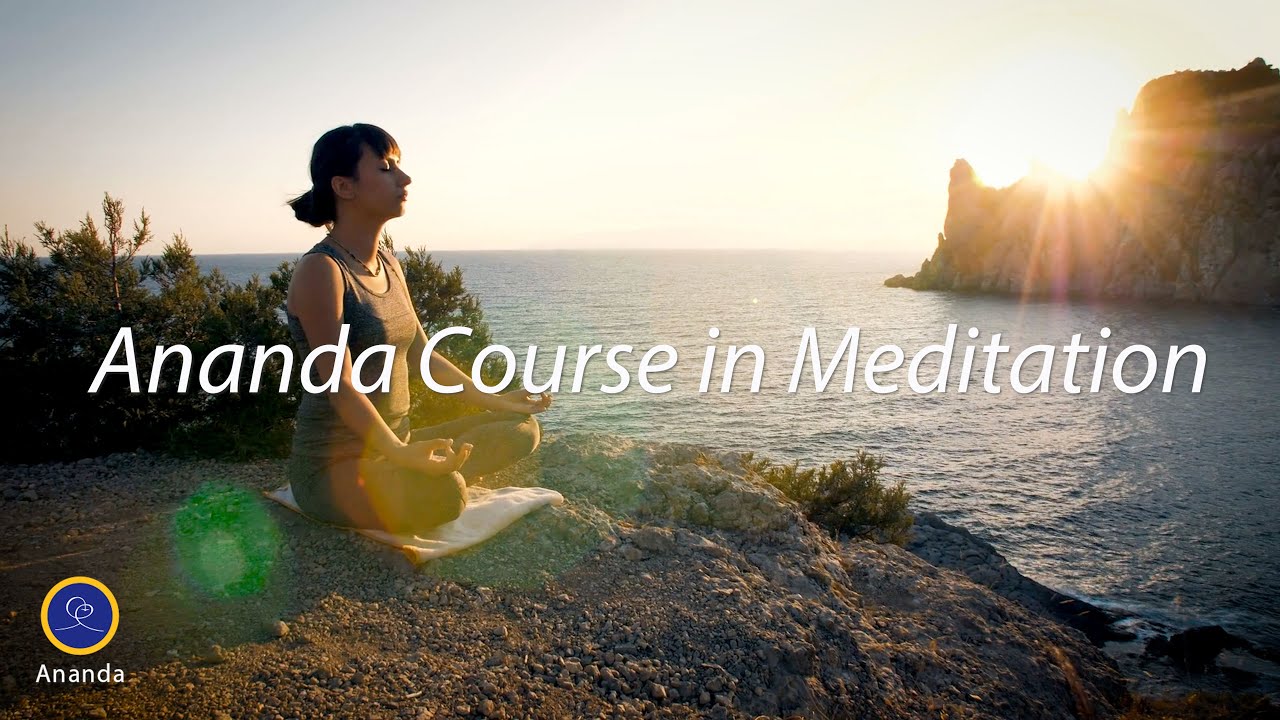
Start a New Meditation Practice or Inspire Your Current One
The 10-week Ananda Course in Meditation online course is designed to provide in-depth instruction in scientific meditation techniques that bring more peace, deeper relaxation, and focused concentration to every area of your life, regardless of outer conditions.
These techniques are based on the teachings of Paramhansa Yogananda, author of Autobiography of a Yogi.
