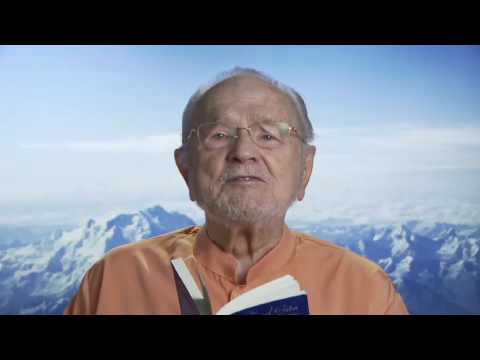
The Need for a Guru, Part 2
Swami Kriyananda reflects on Arjuna’s hesitation in the Bhagavad Gita, where he laments giving up long-cherished qualities and attachments, even if they hinder spiritual growth. People often cling to self-definitions—strength, intellect, talents—accumulated over lifetimes, resisting change. Arjuna questions whether it’s better to surrender than to fight those who symbolize his old nature. Kriyananda notes how the mind justifies avoiding necessary action. True progress requires guidance; he recounts meeting his Guru, Paramhansa Yogananda, who asked for unconditional love and obedience, promising to only request what God willed. Though Kriyananda sometimes resisted assignments, such as teaching or intellectual work, he found they developed essential qualities. Rather than destroying talents or traits, the spiritual path redirects them toward higher purposes. Without guidance, one may choose a comfortable but limiting path. The key is willingness to release attachments, trust divine direction, and transform all abilities into tools for God-realization.
